

A walk-in closet, as the name suggests, is a type of custom closet that allows you to walk into your storage space and easily access your clothes, shoes, and accessories in one organized place. Its appeal mainly comes from how, in addition to providing a highly efficient storage solution, it also serves as a private dressing area for many homeowners.
At Seattle Cabinets, we specialize in creating custom-built cabinetry that maximizes functionality and elevates style — whether for walk-in closets, kitchens, or other storage spaces. However, while the convenience of a walk-in closet is undeniable, small spaces often come with unique challenges. Many homeowners struggle to keep these areas from feeling cramped or cluttered, especially when every inch counts. Without the right layout and storage plan, even a walk-in closet can start to feel overwhelming.
We’ll walk you through how to organize a small walk-in closet and make it feel more spacious, efficient, and easy to use.
Why Small Walk-In Closets Feel Cramped
Small walk-in closets often feel cramped, not because of their size, but because of how the space is used. If your shelves are too deep or your rods hang in the wrong places, it’s easy to lose storage space without realizing it. Corners often go unused, and the area above your clothing tends to stay empty when it could hold additional shelving or stacked bins.
To prevent your closet from feeling cramped and disorganized, it’s crucial to understand how layout and storage placement affect the flow of the space. In the following section, we’ll share practical tips for a small walk-in closet layout that helps you make the most of every corner.
Smart Small Walk-In Closet Organization Ideas That Work for Every Space
If your walk-in closet feels too small or cluttered, this doesn’t necessarily mean that you need more space; you just need a smarter way to organize it. The goal is to create a space where everything has a place and feels easy to reach. Here are some simple step-by-step guidelines on how to plan and design your closet based on typical small walk-in closet dimensions:
Step 1 – Audit What You Own & Define Your Storage Goals

Before you jump into planning your closet design, it’s essential to evaluate what you have. Sort through your wardrobe and accessories to determine how much hanging, folding, or drawer space you’ll need.
Maybe you need more space for hanging work outfits or better storage for handbags and jewelry. Once you take an honest look at what you actually use, it becomes much easier to plan a closet that supports your routine while helping you stay organized in the long run.
Step 2 – Measure & Map: Getting the Right Dimensions
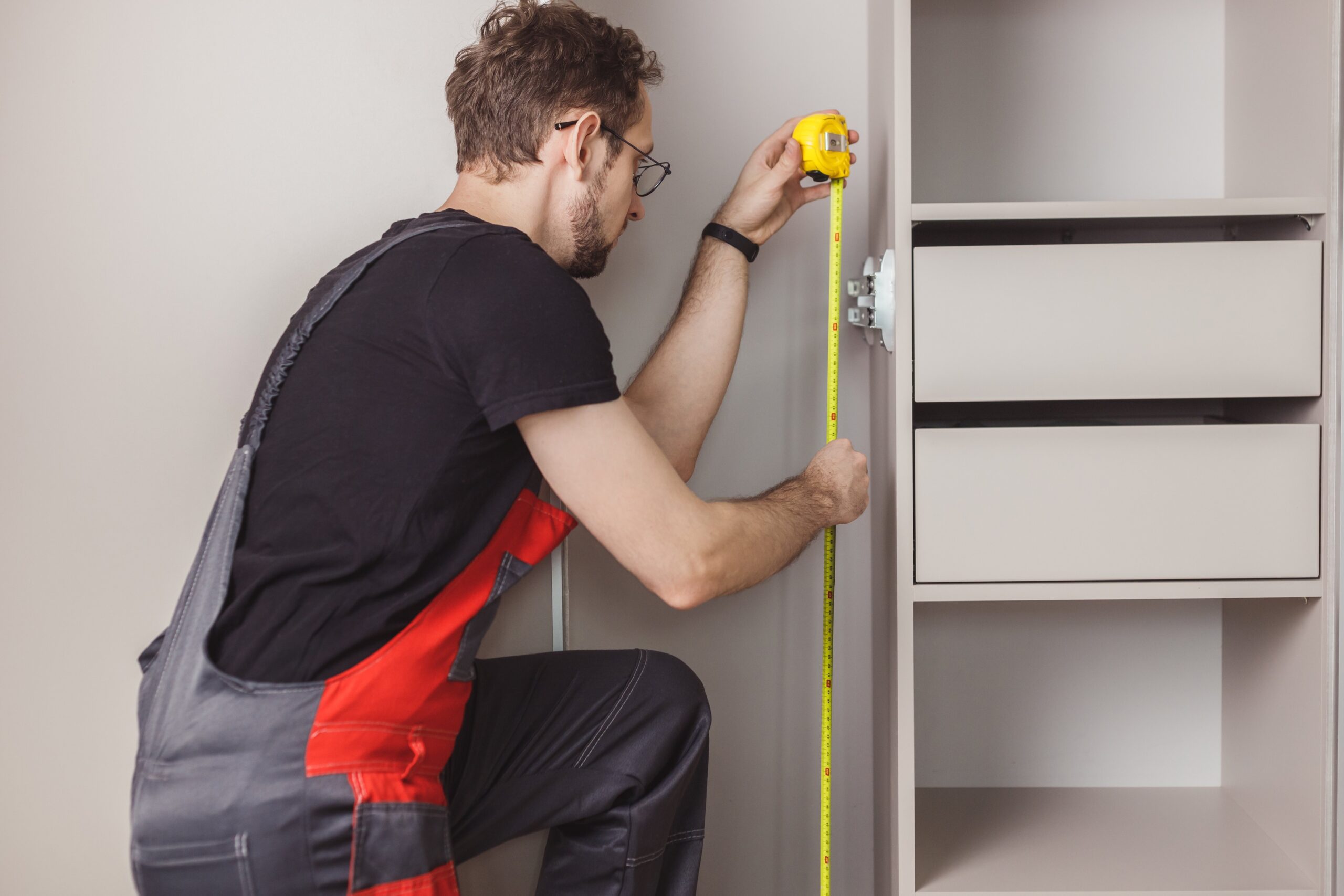
After you’ve decided what will go in your closet, grab a tape measure and note down the exact dimensions. Pay attention to wall height, door swings, and any vents or outlets that might limit where you can place shelving or cabinets.
Aim for at least 24 inches of depth for hanging clothes and about 36 inches of open space to walk comfortably. A small walk-in closet that measures around 5×7 or 6×8 feet usually offers enough room for hanging sections on one or two walls while still allowing you to move easily.
Creating a quick sketch or digital layout before installation can help you fine-tune your design and make the best use of every inch.
Step 3 – Select the Ideal Layout & Materials
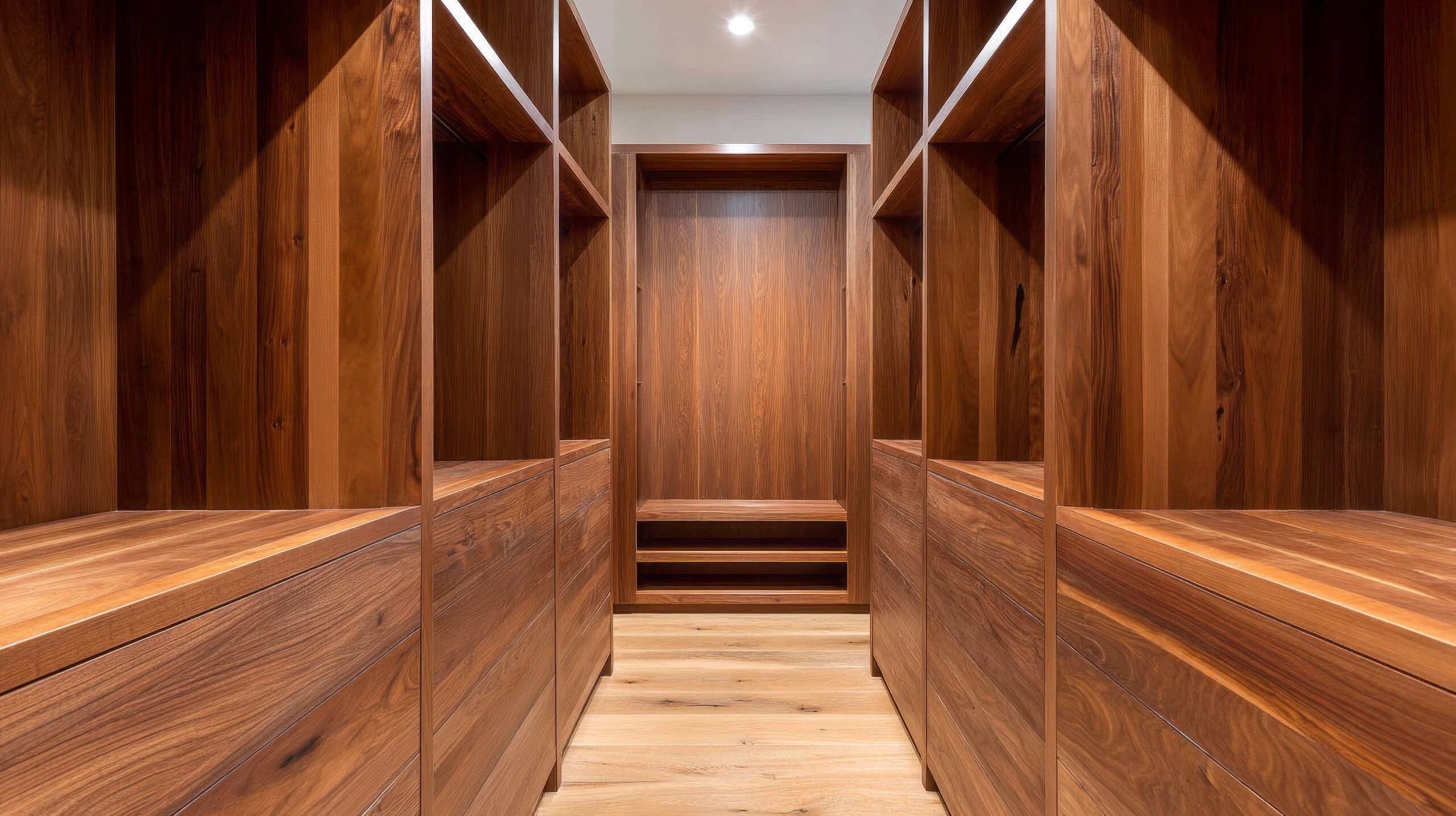
There are several types of walk-in closet layouts, and the best one depends on your available space, storage needs, and how you move around the room. Choosing the right layout helps you make the most of your square footage while keeping everything accessible and easy to organize. The most common small walk-in closet layouts include:
- Single-wall layout: This layout works best for narrow closets that are about 4 to 5 feet wide. All shelves, drawers, and hanging rods are arranged along one wall, leaving the opposite side open so you can move freely. It’s a simple, efficient setup that keeps everything within reach without making the space feel crowded.
- Double-wall layout: This layout works well in closets that measure around 5×7 feet or larger. Storage is placed along two opposite walls, providing plenty of room for hanging clothes, shelving, and drawers. With a clear walkway in the middle, it offers generous storage while still feeling open and comfortable to move through.
- L-shaped layout: If your closet is more square or just a bit wider and measures around 6×6 or 6×8, an L-shaped setup can work really well. It uses two connected walls to create a mix of shelving and hanging space that feels practical and easy to navigate. The open center makes it easy to move around and helps the space feel larger and more inviting.
- U-shaped layout: This layout works best in slightly larger closets, typically around 6×8 feet or more. This setup surrounds you with storage on three sides, creating space for hanging clothes, shelves, and drawers without feeling cramped.
In addition to choosing the layout, think about the materials that will bring your closet design to life and stand up to everyday use.
Step 4 – Add Smart Cabinetry & Organization Systems

After finalizing your layout, add storage elements that maximize efficiency and elevate the overall look of your closet. Pull-out drawers, adjustable shelving, and double rods can make a small space feel much larger by keeping everything within reach. The best way to organize a small closet is to use custom cabinetry that’s built for your exact storage needs.
If designing and building a custom system on your own feels overwhelming, consider reaching out to the experts at Seattle Cabinets. Their team can assess your space, understand your storage goals, and create a design that fits your closet perfectly.
Step 5 – Style, Light & Finishing Touches
After getting the layout and storage right, it’s time to focus on the finishing touches. Good lighting can make a small space feel larger and more inviting, while mirrors help reflect light and create the illusion of depth. Choosing a soft, neutral color palette keeps the area open and bright, while coordinating hardware—like handles and drawer pulls—adds polish and consistency.
Leave It to the Pros: Transform Your Closet with Seattle Cabinets
Designing a small walk-in closet that feels open, functional, and stylish takes planning and precision. From understanding your layout to choosing the right cabinetry, every decision influences how your space looks and functions. When all these elements come together, even the smallest closet can feel organized and beautifully finished.
If you want to achieve that level of quality without the stress of DIY trial and error, the team at Seattle Cabinets can help. Their team understands how to design storage systems that make every inch count while matching your personal style. With custom solutions, premium materials, and skilled craftsmanship, they’ll create a closet that’s perfectly organized and a pleasure to use. Get a free estimate on your home project today.